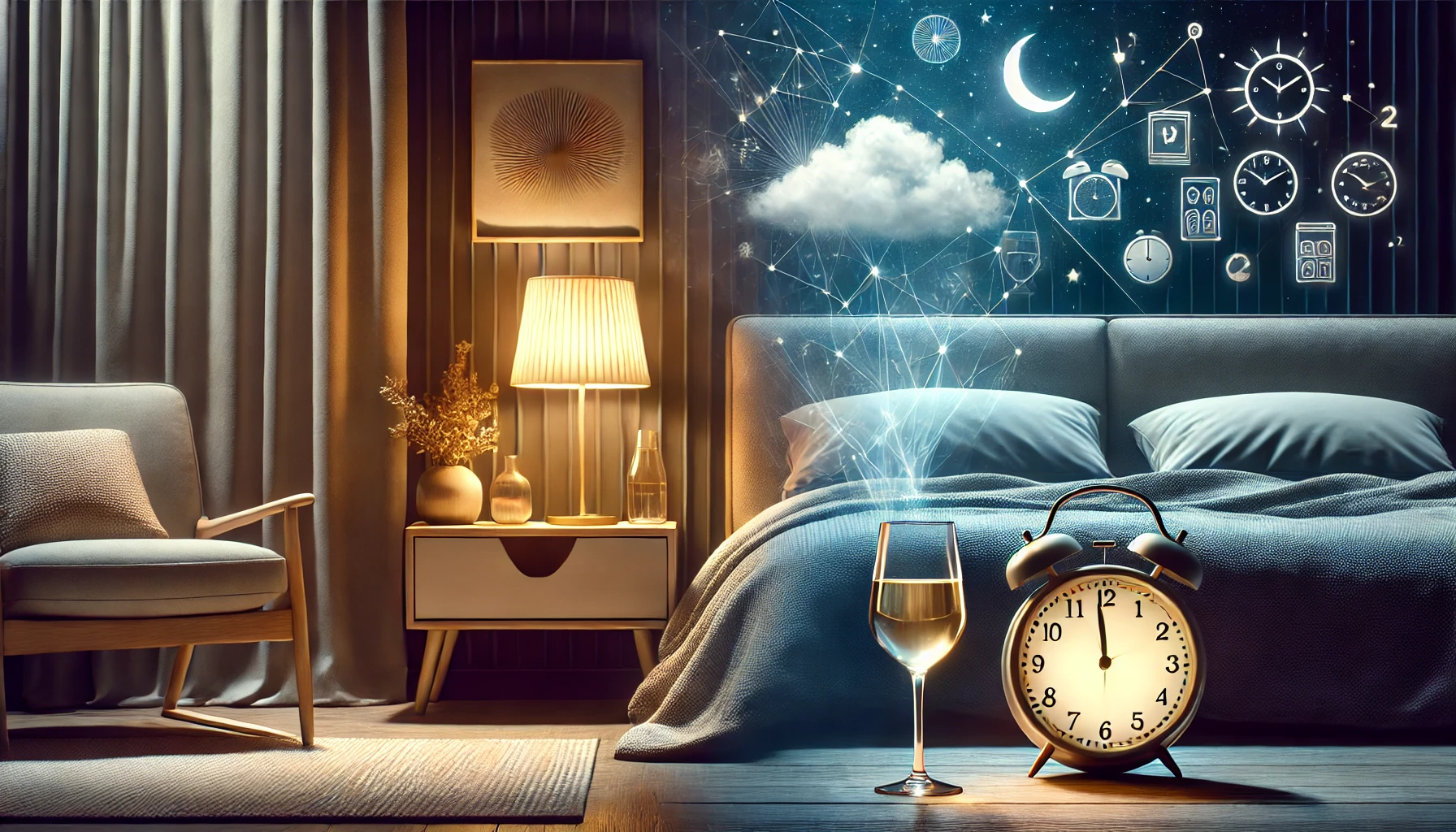
Ever wonder why after a night of drinking, you wake up feeling like a zombie that didn’t get the full hours of sleep it desperately needed?
Or maybe you’re someone who thinks a glass of wine helps them sleep better.
Trust me, I’ve been there too, staring at the ceiling, trying to understand why the “sleep aid” feels like the opposite.
Let’s uncover how alcohol affects your sleep and what it means for those of us chasing personal growth and self-love.
The Truth About Alcohol and Sleep
How Does Alcohol Affect Sleep?
When you consume alcohol, it interacts with the brain’s sleep mechanisms. While alcohol might help you fall asleep initially, it’s not as friendly later in the night.
Here’s the kicker: the effect of alcohol on sleep isn’t straightforward.
It works like this:
- Alcohol helps with sleep onset, meaning you might fall asleep faster.
- But it disrupts the sleep cycle, particularly the REM sleep stage. REM sleep is where your mind and body rejuvenate, so without enough of it, you’re waking up groggy.
- You’re also at risk of sleep disruption as alcohol wears off, leading to disturbed sleep and difficulty initiating or maintaining sleep.
Does Alcohol Cause Sleep Disorders?
Short answer? It can.
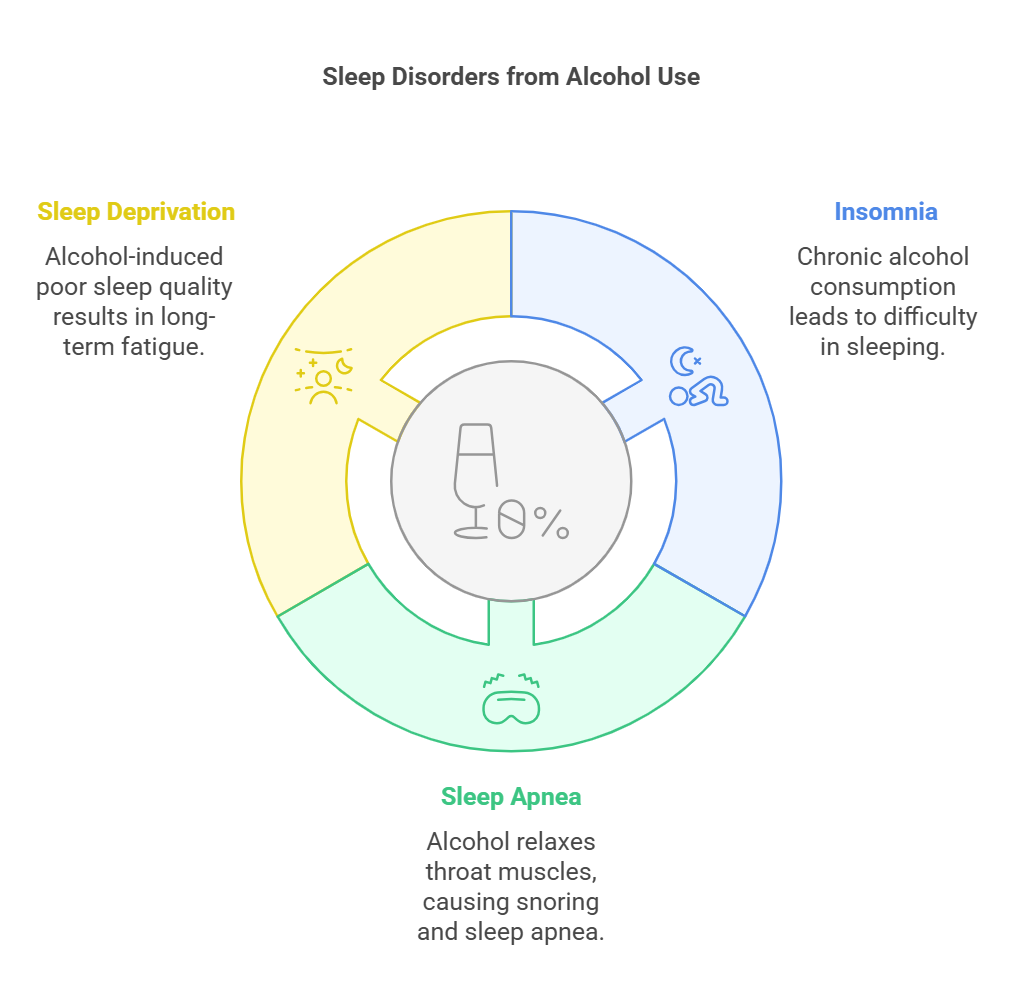
Long-term or heavy alcohol use is linked to conditions like:
- Insomnia: Chronic alcohol consumption is a common factor in insomnia among adults with alcohol dependence.
- Sleep apnea: Alcohol relaxes the muscles in your throat, which can lead to snoring and even obstructive sleep apnea.
- Sleep deprivation: Poor sleep quality and fragmented rest often lead to long-term fatigue.
According to the National Institute on Alcohol Abuse, the relationship between alcohol and sleep disorders is undeniable.
So if you’re relying on alcohol as a sleep aid, it might be time to rethink that habit.
The Science of Alcohol and Your Sleep Cycle
What Happens to REM Sleep?
- A typical night should include 20-25% of REM sleep, but alcohol slashes that percentage.
- You may experience non-REM sleep in the first half of the night, but the second half is often disrupted, leaving you tossing and turning.
Alcohol and Sleep Apnea
Alcohol can cause or worsen central sleep apnea, a condition where breathing repeatedly stops and starts during sleep.
This is particularly dangerous if you already snore, as it increases the severity of obstructive sleep apnea
How Alcohol Affects Your Overall Sleep Quality
Short-Term vs. Long-Term Effects
- Short-term alcohol use may give the illusion of restful sleep, but it’s a facade. Alcohol might help you fall asleep, but the lack of restorative sleep hits hard the next day.
- Long-term alcohol dependence often leads to chronic sleep abnormalities and deteriorated health.
Sleep Abnormalities Associated with Alcohol
Studies show that acute alcohol impacts:
- The ability to maintain consistent nocturnal sleep patterns.
- Your sleep physiology, especially in chronic alcoholics.
- The sleep EEG in middle-aged men, indicating disrupted brain activity during sleep.
Practical Tips to Improve Sleep Without Alcohol
If you’re serious about self-growth, you know sleep is non-negotiable. Here’s how to improve it without reaching for that nightcap:
- Create a bedtime routine: Signal your body it’s time to wind down.
- Limit alcohol intake: Avoid drinking close to bedtime; better yet, consume alcohol in moderation.
- Invest in your sleep environment: Think comfy mattresses, blackout curtains, and white noise.
- Manage stress: Journaling or meditating before bed can work wonders.
- Seek alternatives to relax: Herbal teas like chamomile or reishi elixirs (but talk to your doctor first).
The Impact of Alcohol on Personal Growth
Why Sleep Matters for Self-Love
Good sleep isn’t just about energy; it’s about thriving. When you’re rested, you think clearly, handle stress better, and have the emotional bandwidth to practice self-love.
Alcohol and Self-Sabotage
Using alcohol to cope with stress or help them sleep might feel like self-care, but in reality, it’s more like self-sabotage.
Alcohol consumption and the body’s natural processes don’t mix well. The more we rely on alcohol, the harder it becomes to break the cycle.
Real Talk: What’s Next for You?
If you’ve been wondering about the impact of alcohol on your sleep, let this be your wake-up call.
It’s not just about kicking a habit; it’s about reclaiming the deep, restful sleep your body deserves.
Remember, you don’t need alcohol to sleep. You need intention, consistency, and a little bit of self-compassion.
So, does alcohol affect sleep? Absolutely.
But here’s the good news: you’re in control. One night at a time, one better choice at a time.
For more insights, check out these resources: